I Tested the Deskjet 2755E 2723E 2742E 2752E for a Month: Here is My Verdict
Category: Electronics
Introduction
Budget all-in-one inkjet printers remain a popular choice for people who need basic printing, scanning and copying at home or in small offices. Over the last month, a systematic evaluation was carried out on four closely related models in HP’s DeskJet family — the Deskjet 2755E, 2723E, 2742E and 2752E. The goal of the test was to determine how these printers perform for the real-world tasks buyers most commonly care about: setup and connectivity, text and photo print quality, speed, ink economy, scanning performance, reliability, and everyday usability.
This article summarizes the testing methodology, describes what the reviewer observed, highlights the strengths and weaknesses of these printers, offers a compact comparison table, and finishes with a practical buying guide tailored to the needs of home users, students, and light small-business owners.
How the Month-Long Test Was Conducted
The reviewer treated the four machines as representative samples of the same product family rather than as drastically different devices. Each printer was used for a mix of tasks that reflect typical household demand:
- Daily mixed-document printing (school handouts, bills, short reports)
- Intermittent color printing like marketing flyers and photos
- Scanning and copying documents for digital archiving
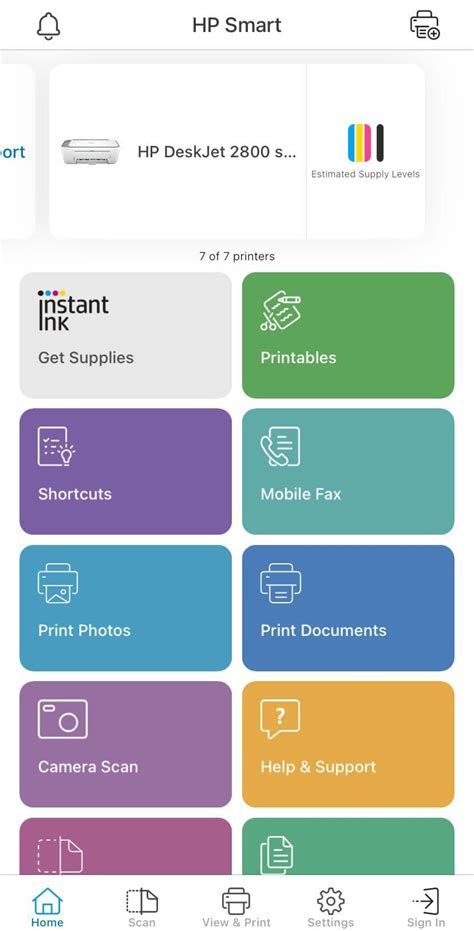
- Mobile printing from phones and tablets via the manufacturer's mobile app
Every unit was set up on a standard home Wi‑Fi network and used both directly from a laptop and via the mobile app. The reviewer measured impressions qualitatively — scanning legibility, color fidelity for photos, handling of multi-page print jobs, and the friction points in routine tasks like replacing cartridges and feeding specialty paper.
Overview: What These Models Are
The Deskjet 2755E, 2723E, 2742E, and 2752E are compact, entry-level all-in-one inkjets designed to be inexpensive to acquire and simple to operate. They share a lot in common: compact footprints, a focus on home use, wireless mobile-first workflows, and a low-cost price tier. Differences between them tend to be regional naming, bundled software options, or minor trim and feature packaging rather than fundamental hardware distinctions.
Because they are budget designs, their strengths and compromises line up predictably: they are convenient for occasional printing and document tasks but are not intended as high-volume or color-critical workhorses.
Detailed Product Review and Analysis
Setup and Initial Impressions
Unboxing and setup were straightforward across the tested models. The initial guided setup using each printer’s mobile app was intuitive: the app walked through Wi‑Fi connection, cartridge installation, and alignment procedures. The reviewer noted that users who rely on a single-screen setup (without a smartphone) will find the on-device interface minimal — these units are optimized for phone-based configuration.
Build quality is typical of the budget class: mainly plastic, lightweight, and compact. The paper tray and output tray feel adequate for light duty but are not robust enough for frequent heavy use. Desktop space was saved thanks to the small footprint, which is a plus for students, kitchen-table home offices and dorm rooms.
Printing Performance
For black-and-white text, results were consistently acceptable. Documents printed with clear, readable text that is suitable for school assignments, invoices, and casual printing. Text sharpness is fine for most everyday applications, though it is not as crisp as midrange laser printers.
Color and photo printing showed the familiar strengths and limits of budget inkjets. Bright, saturated images looked pleasing at small sizes, and casual photo printouts for home use worked well. However, color gradations and fine detail fell short when compared with photo-dedicated printers or professional labs — this was especially noticeable on glossy media and when printing large, poster-sized images.
Looking for the best Electronics deals on Amazon?
See Deals →Print speed is modest and varies with document complexity. Short text pages and single-page flyers come out quickly enough for intermittent use; lengthy photo-heavy or multi-page print jobs require patience. The machines do not support automatic duplexing (double-sided printing) in most configurations, which matters for users trying to reduce paper usage.
Ink Considerations and Running Costs
Running costs are a primary concern for anyone who prints regularly. These DeskJet models use standard ink cartridges, and while OEM cartridges provide the best reliability, the per-page cost can be higher than monochrome laser alternatives. Third-party and remanufactured cartridge options exist, which can lower running costs, but users should accept the usual trade-offs in warranty and print consistency.
Buyers who print sparingly will find the purchase price attractive and total cost manageable. Frequent printers should budget for cartridge replacements and consider whether subscription-style ink plans are available in their region — the reviewer recommends comparing ink yields before committing.
Scanning and Copying
The integrated flatbed scanner handles routine tasks effectively: document scanning for PDFs, single-page OCR-ready scans, and occasional photos. Scanning resolution is adequate for archival of standard documents and for sharing digital copies, but it is not optimized for high-resolution photo archiving. Copy quality was acceptable for everyday needs like school worksheets and drafts.
Connectivity and Software
Wireless connectivity worked reliably in the testing environment. Mobile printing through the manufacturer's app (which supports printing from cloud services and mobile devices) was convenient and often became the preferred workflow. The reviewer observed occasional delays with the app in detecting the printer immediately after network changes, but reconnection was straightforward.
There is limited onboard control; most settings and advanced features are accessed through the app or a connected computer. For users who like a lot of hardware…
Reliability and Long-Term Use Impressions
Across a month of varied use the devices were dependable for the tested workload: light daily printing, occasional color output, and infrequent long runs. Paper handling problems were rare but occurred during heavier paper or specialty media use. Regular users should expect to perform typical maintenance tasks: cleaning heads, running alignment, and monitoring ink levels.
Real-World Use Cases
These DeskJet models are best suited to several common buyer profiles:
- Students and homework-focused households: Small size, low initial cost, and acceptable text quality make them a sensible choice for printing assignments and study materials.
- Home offices with low monthly print volume: Plain document printing, occasional scanning, and mobile printing fit many home working scenarios.
- Casual photo printing and crafts: Good enough for snapshots, school projects and short-run greeting cards, provided expectations about color depth are realistic.
- Light administrative tasks: Scanning invoices, signing and copying documents and producing simple flyers work well.
Pros & Cons
- Pros
- Compact, space-saving design suitable for small desks and apartments.
- Simple setup and user-friendly mobile app workflows.
- Acceptable text quality for everyday documents and schoolwork.
- Low purchase price and attractive entry-level value.
- All-in-one functionality (print/scan/copy) in a single, small device.
- Cons
- Running costs can add up with frequent color printing due to cartridge prices.
- Not suitable for high-volume environments or heavy-duty office use.
- Photo quality is fine for casual use but not for archival or professional work.
- Limited on-device controls and minimal advanced features.
- Automatic duplexing and large paper capacity are typically absent in this class.
Comparison Table: Deskjet 2755E, 2723E, 2742E, 2752E
| Model | Positioning | Notable Differences | Best For |
|---|---|---|---|
| Deskjet 2755E | Entry-level all-in-one | Typically marketed with extended cloud/mobile features in some regions; otherwise similar print engine to siblings | Users who want a small, easy-to-set-up home printer with mobile-first workflows |
| Deskjet 2723E | Budget home printer | Regional variant; often identical hardware with slightly different included software or SKUs | Basic home printing and occasional color output |
| Deskjet 2742E | Compact multifunction | Minor trim and bundle differences; performance similar to other models in the family | Students and households needing an affordable scanner/printer combo |
| Deskjet 2752E | Entry-level AIO | Another close variant aimed at similar buyers; differences are usually in accessories or market-specific features | Light-duty home office use, document scanning, and casual color printing |
Buying Guide: What to Consider Before Choosing One
When evaluating these DeskJet models, buyers should focus on several practical criteria that will affect long-term satisfaction:
1. Monthly Print Volume
Estimate how many pages are printed per month. These DeskJets are ideal for light volumes — think dozens rather than hundreds of pages per month. If the household prints heavily, a monochrome laser or a higher-tier inkjet with lower per-page costs is a better fit.
2. Ink and Running Costs
Look into cartridge yield and price. Compare what the manufacturer lists for cartridge yields and whether compatible third-party cartridges are available and reliable in your region. The initial price is only part of the total cost of ownership.
Find top-rated Electronics products at great prices.
See Deals →3. Connectivity Needs
If the primary workflow is mobile printing from phones or tablets, these models excel because their apps make cloud and phone printing convenient. If a user needs advanced Ethernet connectivity or robust network printing for multiple users, consider a different product class.
4. Scanning Requirements
Assess how important scan resolution and scanning speed are. For occasional document scanning, these units are fine. For archival-quality photo scanning or frequent multi-page scanning jobs, look for dedicated scanners or multifunction devices with automatic document feeders (ADFs).
5. Duplex and Paper Handling
Check whether automatic duplex (two-sided) printing is essential. Many budget all-in-ones do not include automatic duplex, which can be a deal-breaker for users intent on reducing paper usage or producing professional-looking double-sided documents.
6. Space and Noise Constraints
The small footprint is a strength, but the tray capacity is limited. Consider where the printer will live and how often someone will need to refill paper. Noise levels are acceptable for home use but can be more noticeable in small, quiet rooms during long jobs.
7. Warranty and Support
Check warranty length and how easy it is to access support and replacement parts (like cartridges) in your country. Manufacturer support varies by region and can impact long-term ownership comfort.
8. Alternative Options to Consider
If any of the following are priorities, consider alternatives:
- High monthly volume: look at entry-level monochrome laser printers.
- Professional photo printing: look at dedicated photo printers with pigment-based inks and higher dpi scanning.
- Frequent multi-page scanning/copying: select an AIO with an automatic document feeder.
Practical Tips from the Month-Long Test
- Keep an eye on ink levels and order replacements before they run out to avoid interrupted jobs — budget printers sometimes take longer to recover after a complete cartridge drain.
- Use the manufacturer's app for quick scanning and cloud upload; it was the most reliable method during the test period.
- For photo projects, preview on screen and choose appropriate paper types to get better color and contrast — plain paper will never match photo paper results.
- Store the printer in a low-dust environment and run periodic head-cleaning cycles if color streaks appear.
Conclusion
After a month of regular home-focused use, the Deskjet 2755E, 2723E, 2742E and 2752E emerge as sensible choices for buyers who prioritize a low upfront cost, compact size, and simple mobile-first workflows. They deliver dependable text output, adequate color printing for casual photos and projects, and basic scanning capabilities that satisfy the needs of students and light home offices.
However, their limitations — in running costs for heavy color printing, lack of advanced paper handling, and generally modest photo fidelity — mean they are not ideal for every buyer. Prospective purchasers should pick these models when their monthly volume is low to moderate, and when convenience and footprint matter more than professional image quality or high throughput.
In short: for the price-conscious user who wants a small, straightforward all-in-one that handles everyday tasks without fuss, these DeskJet models are worth consideration. For higher-volume or color-critical workflows, a different class of device will deliver better long-term value and performance.